
Exploring Innovative Architectural Design

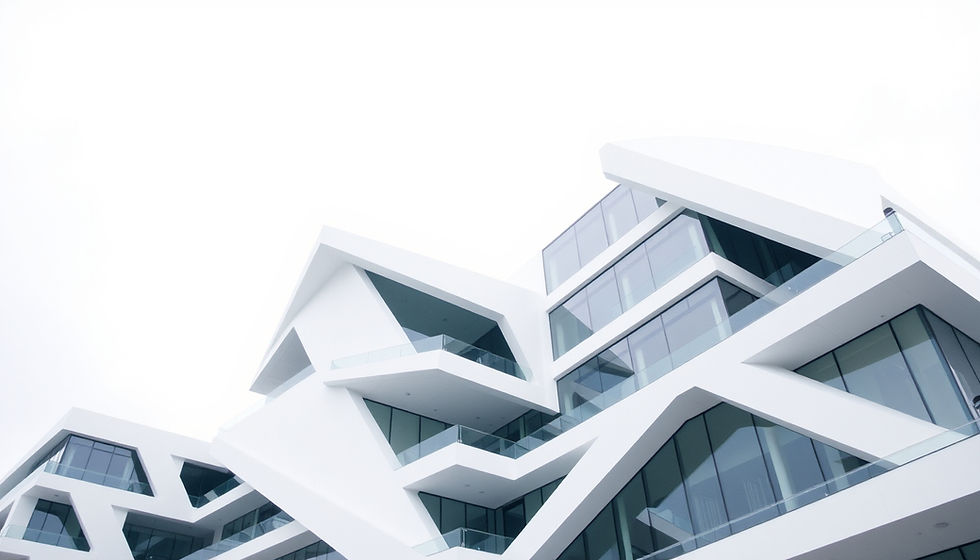
In the evolving landscape of urban development, the pursuit of architectural excellence has transcended traditional boundaries. The integration of technology, sustainability, and security has become paramount in shaping the built environment. This article delves into the realm of cutting-edge architectural design, examining its principles, applications, and the transformative impact it holds for modern cities. Through a measured and analytical lens, the discussion will illuminate how advanced methodologies and innovative materials contribute to the creation of structures that are not only aesthetically compelling but also functionally superior.
The Essence of Cutting-Edge Architectural Design
Cutting-edge architectural design embodies a synthesis of creativity, technology, and environmental consciousness. It is characterized by the adoption of novel construction techniques, the use of sustainable materials, and the incorporation of smart technologies that enhance building performance. This approach prioritizes energy efficiency, occupant comfort, and resilience against environmental challenges.
One of the defining features of this design philosophy is the emphasis on adaptability. Buildings are conceived to respond dynamically to changing conditions, whether through automated systems that regulate lighting and temperature or through modular components that allow for spatial reconfiguration. Such flexibility ensures longevity and relevance in an era marked by rapid technological advancement and shifting societal needs.
Moreover, the integration of security measures within the architectural framework is increasingly critical. Advanced surveillance systems, access controls, and structural reinforcements are seamlessly embedded to safeguard occupants and assets without compromising aesthetic integrity.

Implementing Cutting-Edge Architectural Design in Practice
The practical application of cutting-edge architectural design necessitates a multidisciplinary approach. Collaboration among architects, engineers, environmental scientists, and technology experts is essential to realize the full potential of innovative concepts.
Key strategies include:
Utilization of Sustainable Materials: Employing recycled, low-impact, and locally sourced materials reduces the environmental footprint and supports circular economy principles.
Smart Building Technologies: Integration of IoT devices enables real-time monitoring and control of building systems, optimizing energy consumption and enhancing occupant experience.
Advanced Structural Systems: Use of prefabrication and modular construction techniques accelerates project timelines and improves quality control.
Resilience Planning: Designing for climate adaptability ensures buildings withstand extreme weather events and evolving environmental conditions.
For instance, the incorporation of green roofs and vertical gardens not only improves insulation but also contributes to urban biodiversity and air quality. Similarly, the deployment of energy-efficient HVAC systems, coupled with intelligent sensors, results in significant reductions in operational costs and carbon emissions.

What is an Example of Innovative Design?
A quintessential example of innovative design can be observed in the development of smart office complexes that harmonize technology with sustainability. These structures feature dynamic façades that adjust to sunlight intensity, thereby minimizing heat gain and reducing reliance on artificial cooling. Internally, open-plan layouts are complemented by modular partitions that can be reconfigured to suit varying organizational needs.
One notable project exemplifies this approach by integrating renewable energy sources such as photovoltaic panels and geothermal systems. The building management system employs machine learning algorithms to predict occupancy patterns and optimize resource allocation accordingly. This results in a highly efficient, secure, and comfortable environment conducive to productivity and well-being.
Such projects underscore the potential of innovative architectural design to redefine the parameters of urban construction, setting new benchmarks for sustainability and technological integration.

Challenges and Considerations in Advanced Architectural Solutions
Despite the promising prospects, the implementation of cutting-edge architectural design is not without challenges. Financial constraints often pose significant barriers, as the initial investment for advanced materials and technologies can be substantial. However, these costs are frequently offset by long-term savings in energy and maintenance.
Regulatory frameworks may also lag behind technological innovations, necessitating proactive engagement with policymakers to ensure compliance and facilitate the adoption of new standards. Additionally, the complexity of integrating diverse systems requires meticulous planning and coordination to avoid operational inefficiencies.
Security considerations must be balanced with privacy concerns, particularly in smart buildings where data collection is extensive. Robust cybersecurity measures are imperative to protect sensitive information and maintain occupant trust.
To navigate these challenges effectively, organizations are advised to:
Conduct comprehensive feasibility studies to assess cost-benefit scenarios.
Engage stakeholders early in the design process to align objectives.
Invest in training and capacity building for personnel managing smart systems.
Establish partnerships with technology providers to stay abreast of emerging solutions.
Future Directions in Architectural Innovation
Looking ahead, the trajectory of architectural innovation is poised to be shaped by advancements in artificial intelligence, robotics, and materials science. The advent of 3D printing technology promises to revolutionize construction by enabling the fabrication of complex components with unprecedented precision and speed.
Sustainability will remain a central tenet, with increasing emphasis on net-zero energy buildings and circular design principles. The integration of biophilic design elements is expected to enhance occupant health and productivity, fostering a deeper connection between humans and their environment.
Furthermore, the concept of smart cities will drive the convergence of architecture with urban planning, transportation, and infrastructure systems. Buildings will function as interconnected nodes within a larger ecosystem, contributing to the overall efficiency and resilience of urban environments.
In this context, the role of specialized firms such as OpDez Architecture becomes critical. Their expertise in delivering advanced, sustainable, and secure smart building solutions positions them at the forefront of this transformative movement.
The exploration of cutting-edge architectural design reveals a landscape rich with opportunity and complexity. By embracing innovation and sustainability, the built environment can be reimagined to meet the demands of contemporary society while safeguarding the future. The integration of technology, environmental stewardship, and security within architectural practice not only enhances functionality but also elevates the human experience within urban spaces.



Comments