
Exploring Modern Architecture Trends: Innovations Shaping the Future of Design


In recent years, the field of modern architecture has undergone significant transformations, driven by technological advancements, environmental imperatives, and evolving societal needs. As I delve into the latest trends, it becomes evident that the future of building design is not only about aesthetics but also about sustainability, security, and intelligent integration. This exploration aims to provide a comprehensive understanding of these developments, offering practical insights for organizations seeking advanced, sustainable, and secure architectural solutions.
Embracing Sustainability in Modern Architecture Trends
Sustainability has emerged as a cornerstone in contemporary architectural practice. The increasing awareness of climate change and resource depletion has compelled designers to prioritize eco-friendly materials, energy efficiency, and waste reduction. Among the most prominent trends is the integration of green building certifications such as LEED and BREEAM, which guide the construction process toward minimal environmental impact.
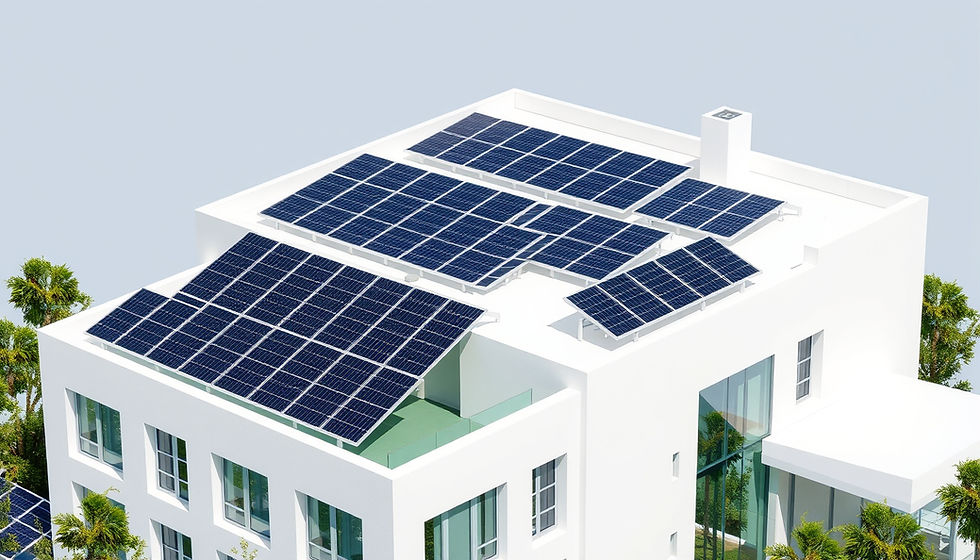
One notable example is the widespread adoption of passive design strategies. These include optimizing building orientation to maximize natural light and ventilation, thereby reducing reliance on artificial heating and cooling systems. Additionally, the use of renewable energy sources, such as solar panels and geothermal systems, has become commonplace in new developments.
Moreover, the incorporation of biophilic design elements—which connect occupants with nature through indoor plants, natural materials, and water features—has been shown to enhance well-being and productivity. This approach aligns with the broader goal of creating spaces that are not only environmentally responsible but also conducive to human health.
Key Modern Architecture Trends Transforming Urban Landscapes
The urban environment is a primary canvas for modern architectural innovation. Several trends have emerged that redefine how cities are planned and constructed, emphasizing adaptability, technology, and community engagement.
Smart Buildings and Digital Integration
The rise of smart buildings represents a paradigm shift in how structures operate and interact with their users. Equipped with sensors, automated systems, and IoT connectivity, these buildings optimize energy consumption, enhance security, and improve occupant comfort. For instance, intelligent lighting systems adjust brightness based on occupancy and daylight availability, while advanced HVAC controls maintain optimal indoor air quality.
Modular and Prefabricated Construction
Modular construction techniques have gained traction due to their efficiency and cost-effectiveness. By fabricating building components off-site and assembling them on location, projects can be completed faster with reduced waste. This method also allows for greater precision and quality control, which is essential for meeting stringent sustainability standards.
Adaptive Reuse and Urban Regeneration
Rather than demolishing old structures, adaptive reuse has become a favored strategy to preserve cultural heritage while meeting modern needs. Repurposing industrial warehouses into residential lofts or office spaces exemplifies this trend, contributing to urban regeneration and reducing the environmental footprint associated with new construction.

Do Architects Make Big Money?
The financial prospects within the architectural profession vary widely depending on factors such as experience, specialization, geographic location, and the scale of projects undertaken. While some architects achieve substantial earnings, particularly those involved in large-scale commercial or technologically advanced projects, others may find remuneration more modest.
Specialization in areas like sustainable design, smart building technologies, or security-focused architecture can enhance earning potential. Additionally, architects who cultivate strong client relationships and demonstrate expertise in managing complex projects often command higher fees.
It is important to recognize that the profession demands a balance between creative vision and technical proficiency, with financial rewards reflecting the value delivered to clients. For organizations investing in advanced architectural solutions, partnering with architects who possess specialized certifications and a track record of innovation is crucial.
Integrating Security Features in Contemporary Building Design
Security considerations have become integral to modern architectural planning, especially in urban environments where safety concerns are paramount. The latest trends emphasize a holistic approach that combines physical barriers, surveillance technologies, and cybersecurity measures.
Architects now collaborate closely with security experts to design buildings that deter unauthorized access while maintaining aesthetic appeal. Features such as controlled entry points, reinforced materials, and strategic lighting enhance physical security. Simultaneously, the integration of digital security systems protects building management networks from cyber threats.
Furthermore, the concept of resilient design has gained prominence, focusing on structures that can withstand natural disasters, terrorism, and other emergencies. This includes the use of impact-resistant materials, redundant power supplies, and emergency communication systems.
Future Directions: The Role of Technology and Innovation
Looking ahead, the trajectory of modern architecture trends points toward even greater reliance on technology and innovation. Artificial intelligence and machine learning are beginning to influence design processes, enabling architects to simulate environmental impacts, optimize layouts, and predict maintenance needs.
Virtual and augmented reality tools facilitate immersive client presentations and collaborative design iterations, enhancing decision-making and reducing costly revisions. Additionally, advancements in materials science promise the development of self-healing concrete, transparent solar panels, and other cutting-edge components.
For organizations committed to leading the market in smart building solutions, staying abreast of these technological advancements is imperative. Leveraging specialized certifications and expertise in sustainable and secure design will position them at the forefront of this dynamic industry.
In summary, the evolving landscape of modern architecture is characterized by a confluence of sustainability, technology, security, and innovative construction methods. By embracing these trends, organizations can realize buildings that are not only visually striking but also environmentally responsible, secure, and intelligently managed. This holistic approach aligns with the vision of creating smart cities that meet the complex demands of the future.


Comments