
What Makes Architectural Designs Innovative: Exploring Modern Architectural Concepts

In the evolving landscape of urban development, architectural design has transcended traditional boundaries, embracing innovation as a core principle. The pursuit of modern architectural concepts reflects a commitment to sustainability, security, and technological integration, all of which are essential to shaping the cities of tomorrow. This article delves into the defining characteristics of innovative architectural designs and examines how they respond to contemporary challenges and opportunities.
The Essence of Modern Architectural Concepts
Modern architectural concepts are distinguished by their ability to harmonize form, function, and environment. These designs prioritize adaptability and resilience, often incorporating advanced materials and construction techniques that reduce environmental impact. For instance, the use of biophilic design elements—which integrate natural light, vegetation, and organic forms—enhances occupant well-being while promoting energy efficiency.
Moreover, modular construction methods have gained prominence within modern architectural frameworks. Prefabricated components allow for faster assembly, reduced waste, and greater precision. This approach not only accelerates project timelines but also facilitates customization, enabling architects to tailor solutions to specific site conditions and client needs.

The integration of natural elements into modern architectural design enhances sustainability and aesthetics.
Technological Integration in Architectural Innovation
The incorporation of cutting-edge technology is a hallmark of contemporary architectural innovation. Smart building systems, which utilize sensors and automation, optimize energy consumption and improve security. For example, adaptive lighting systems adjust illumination based on occupancy and natural light availability, significantly reducing electricity usage.
Building Information Modeling (BIM) has revolutionized the design and construction process by enabling detailed digital representations of structures. This technology facilitates collaboration among stakeholders, minimizes errors, and supports lifecycle management of buildings. Additionally, advancements in materials science have introduced self-healing concrete and phase-change materials, which contribute to durability and thermal regulation.
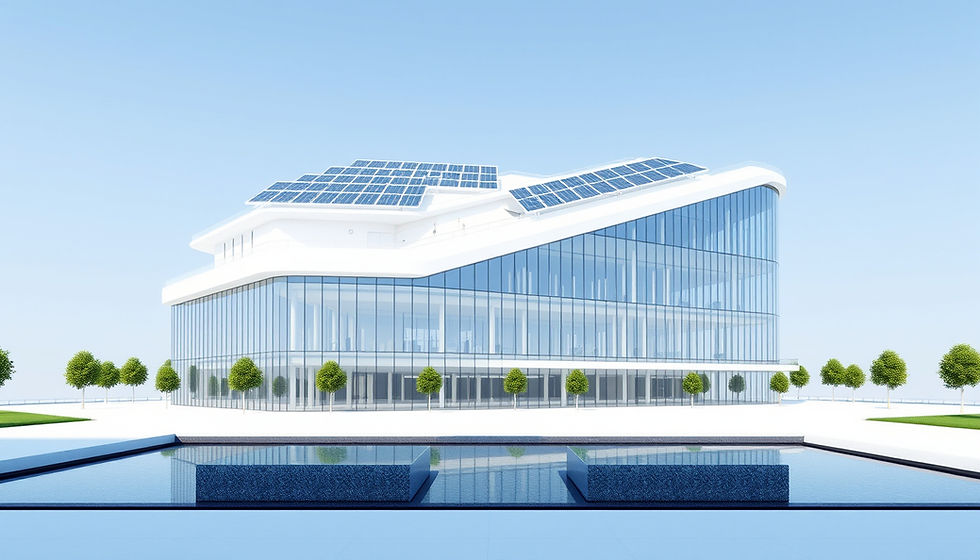
The synergy between technology and design is further exemplified by the integration of renewable energy sources, such as solar panels and wind turbines, directly into building structures. These features not only reduce carbon footprints but also promote energy independence.
Sustainable Practices as a Pillar of Innovation
Sustainability remains a critical driver of innovation in architecture. The adoption of green building certifications, such as LEED and BREEAM, underscores the commitment to environmental stewardship. Sustainable designs emphasize resource efficiency, water conservation, and waste reduction throughout the building lifecycle.
Passive design strategies, including strategic orientation, natural ventilation, and thermal mass utilization, reduce reliance on mechanical systems. For example, buildings oriented to maximize solar gain in winter and minimize it in summer can achieve significant energy savings. Rainwater harvesting systems and greywater recycling further enhance resource efficiency.
Incorporating local materials and vernacular techniques also contributes to sustainability by reducing transportation emissions and supporting regional economies. These practices demonstrate how innovation can be rooted in context-sensitive solutions that respect cultural and environmental heritage.

Renewable energy integration exemplifies sustainable innovation in modern architecture.
The Role of Security in Advanced Architectural Solutions
Security considerations have become increasingly integral to architectural innovation, particularly in urban environments. Advanced surveillance systems, access control technologies, and resilient structural designs contribute to safer buildings and communities. For instance, the use of blast-resistant materials and reinforced glazing enhances protection against external threats.
Cybersecurity is also emerging as a vital aspect of smart building design. As buildings become more interconnected through IoT devices, safeguarding data and operational systems from cyberattacks is paramount. Architects and engineers collaborate with cybersecurity experts to embed protective measures within the building’s infrastructure.
Furthermore, designing for occupant safety involves creating clear evacuation routes, incorporating fire-resistant materials, and ensuring compliance with rigorous building codes. These elements collectively foster environments that are not only innovative but also secure and reliable.
Future Directions in Architectural Innovation
Looking ahead, the trajectory of architectural innovation is poised to embrace even greater integration of artificial intelligence, robotics, and sustainable urban planning. AI-driven design tools can analyze vast datasets to optimize building performance and aesthetics, while robotic construction techniques promise enhanced precision and efficiency.
Urban-scale innovations, such as smart grids and green infrastructure, will redefine how buildings interact with their surroundings. The concept of the “smart city” envisions interconnected systems that enhance the quality of life through data-driven management of resources and services.
In this context, the pursuit of innovative architectural design becomes a multidisciplinary endeavor, requiring collaboration across technology, ecology, and social sciences. Organizations aiming to implement advanced, sustainable, and secure architectural solutions must therefore adopt a holistic approach that anticipates future challenges and leverages emerging opportunities.
Embracing Innovation for Sustainable Urban Futures
The evolution of architectural design reflects a profound shift towards embracing innovation as a means to address complex urban challenges. By integrating modern architectural concepts with sustainability, technology, and security, it is possible to create buildings that are not only functional but also resilient and adaptive.
Organizations seeking to lead in this domain must prioritize continuous learning and investment in research and development. Engaging with emerging trends and technologies will enable the delivery of smart building solutions that meet the demands of modern cities.
Ultimately, the future of architecture lies in balancing creativity with pragmatism, ensuring that innovative designs contribute positively to the environment and society. This balanced approach will define the next generation of architectural achievements and shape the urban landscapes of tomorrow.



Comments