
Defining Innovative Architectural Design Trends
- Frank S. O'Hara

- Feb 23
- 4 min read
In the evolving landscape of urban development, the pursuit of architectural excellence has transcended traditional boundaries. The integration of technology, sustainability, and security has become paramount in shaping the future of built environments. This article explores the defining innovative architectural design trends that are revolutionizing the industry, offering practical insights and examples for organizations seeking advanced, sustainable, and secure architectural solutions.
Emerging Innovative Design Trends in Architecture
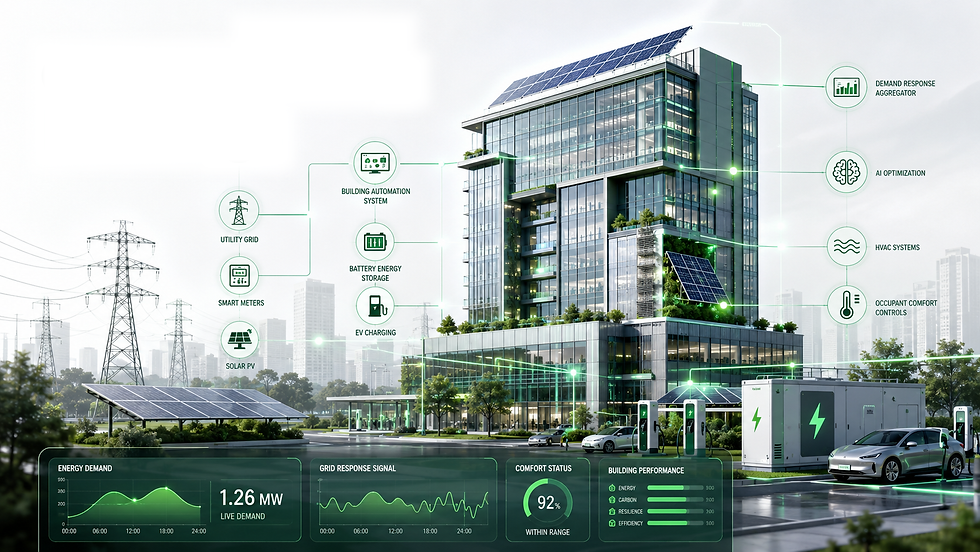
The architectural sector is witnessing a paradigm shift driven by the convergence of digital technology and environmental consciousness. Among the most prominent trends is the adoption of smart building technologies. These systems utilize sensors, automation, and data analytics to optimize energy consumption, enhance occupant comfort, and improve operational efficiency. For instance, buildings equipped with intelligent HVAC systems can adjust temperature and ventilation in real-time based on occupancy patterns, significantly reducing energy waste.
Another critical trend is the emphasis on sustainable materials and construction methods. The use of recycled, renewable, and low-impact materials is becoming standard practice. Cross-laminated timber (CLT), for example, offers a renewable alternative to concrete and steel, providing both structural integrity and carbon sequestration benefits. Additionally, modular construction techniques are gaining traction, allowing for faster assembly, reduced waste, and improved quality control.
The integration of biophilic design principles also marks a significant development. This approach seeks to reconnect occupants with nature through the incorporation of natural light, vegetation, and organic forms within architectural spaces. Studies have demonstrated that biophilic environments contribute to improved mental health, productivity, and overall well-being.

The Role of Technology in Shaping Innovative Design Trends
Technological advancements have become indispensable in the realization of contemporary architectural visions. Building Information Modeling (BIM) is a prime example, enabling architects, engineers, and contractors to collaborate seamlessly throughout the project lifecycle. BIM facilitates precise visualization, clash detection, and cost estimation, thereby minimizing errors and enhancing project delivery.
Artificial intelligence (AI) and machine learning are increasingly employed to analyze vast datasets related to climate, materials, and user behavior. This data-driven approach informs design decisions that optimize building performance and resilience. For example, AI algorithms can simulate various design scenarios to identify configurations that maximize natural ventilation or daylight penetration.
Moreover, the rise of the Internet of Things (IoT) has transformed buildings into interconnected ecosystems. IoT devices monitor structural health, security systems, and energy usage, enabling proactive maintenance and heightened safety. The integration of these technologies aligns with the broader objective of creating smart cities that are adaptive, efficient, and secure.

Sustainable Architecture as a Cornerstone of Modern Design
Sustainability is no longer an optional consideration but a fundamental criterion in architectural design. The imperative to reduce carbon footprints and conserve resources has led to innovative strategies that encompass the entire building lifecycle. Passive design techniques, such as strategic orientation, shading devices, and thermal mass utilization, reduce reliance on mechanical systems.
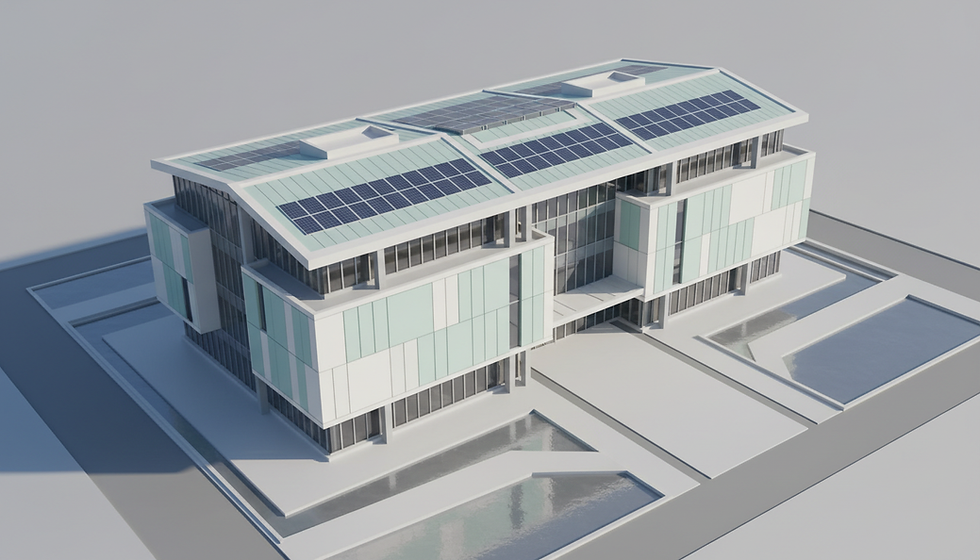
Renewable energy integration is another vital aspect. Photovoltaic panels, solar thermal systems, and geothermal heat pumps are increasingly incorporated into building designs to achieve net-zero energy consumption. Water conservation measures, including rainwater harvesting and greywater recycling, further enhance environmental stewardship.
Certification programs like LEED (Leadership in Energy and Environmental Design) and WELL Building Standard provide frameworks for assessing and validating sustainable practices. These certifications not only demonstrate environmental responsibility but also contribute to occupant health and productivity.
Security and Resilience in Architectural Innovation
In the context of modern urban environments, security and resilience have emerged as critical design considerations. The increasing frequency of natural disasters, cyber threats, and social unrest necessitates buildings that can withstand and adapt to diverse challenges.
Architectural solutions now incorporate resilient materials and structural systems designed to endure seismic activity, flooding, and extreme weather events. For example, elevated foundations and flood-resistant materials are employed in flood-prone areas to mitigate damage.
Cybersecurity measures are integrated into building management systems to protect sensitive data and prevent unauthorized access. Physical security features, such as controlled access points, surveillance systems, and secure perimeters, are designed to balance safety with aesthetic appeal.
The concept of resilience extends beyond physical robustness to include adaptability. Flexible floor plans and modular components allow buildings to be reconfigured in response to changing needs or emergencies, ensuring long-term functionality.
Future Directions in Architectural Design Innovation
Looking ahead, the trajectory of architectural innovation is poised to accelerate, driven by ongoing technological breakthroughs and evolving societal demands. The fusion of augmented reality (AR) and virtual reality (VR) in design processes promises enhanced visualization and stakeholder engagement, facilitating more informed decision-making.
Advancements in materials science are expected to yield self-healing concrete, transparent solar panels, and adaptive façades that respond dynamically to environmental conditions. These innovations will further reduce environmental impact while enhancing building performance.
The integration of artificial intelligence with urban planning will enable the creation of intelligent districts where buildings communicate with each other and infrastructure to optimize resource distribution and mobility.
In this context, organizations must prioritize collaboration with multidisciplinary teams and invest in continuous learning to remain at the forefront of architectural innovation. Embracing these trends will not only fulfill sustainability and security objectives but also contribute to the creation of vibrant, resilient urban spaces.
The exploration of these defining innovative architectural design trends underscores the transformative potential of combining technology, sustainability, and security in the built environment. By adopting these approaches, organizations can lead the market in delivering advanced, sustainable, and secure smart building solutions that meet the complex demands of modern cities.
For those interested in further exploring these concepts, the term innovative architectural design encapsulates the essence of this evolving discipline and serves as a gateway to cutting-edge practices and insights.


Comments